

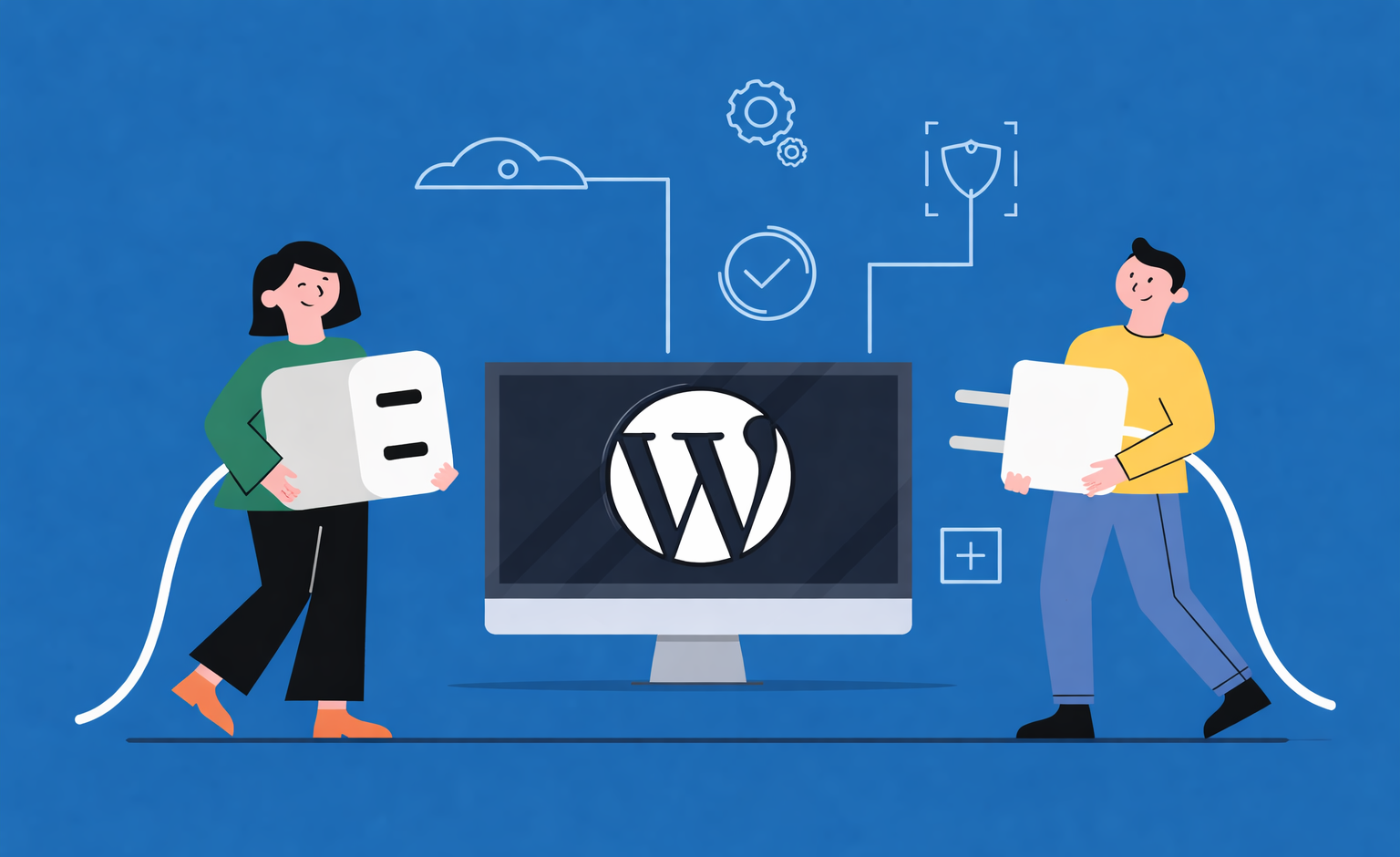
WordPress is one of the most popular content management systems in the world, powering millions of websites. While the platform offers a wide range of ready made plugins, businesses increasingly benefit from WordPress custom plugins that are tailored to their unique needs.
Custom plugins allow companies to extend functionality, improve workflows, and deliver a more personalized experience for users. In 2026, leveraging WordPress plugins development can be a game changer for businesses looking to stand out online.
Why Your Business Needs Custom WordPress Plugins
Many businesses rely on standard plugins to add functionality to their WordPress sites. While these plugins can handle basic needs, they often come with limitations such as unnecessary features, restricted customization, or compatibility issues.
Custom WordPress plugins solve these problems by offering tailored solutions that align with your specific business goals. Whether you need a unique booking system, advanced reporting, or a WordPress LMS plugin development, custom plugins provide the flexibility to scale and adapt.
Benefits of Custom WordPress Plugins
- Tailored functionality for your business processes
- Seamless integration with third party tools
- Improved performance and site speed
- Enhanced security by minimizing unnecessary code
Investing in plugins customization ensures your website is not just functional, but optimized for growth and efficiency.
How Custom Plugins Improve User Experience
One of the key advantages of custom plugins is the ability to enhance user experience. For example, a business can create personalized dashboards, interactive forms, or specialized workflows that simplify complex processes.
This level of customization helps:
- Engage users with intuitive interfaces
- Streamline internal workflows
- Provide unique features that competitors cannot replicate
When combined with WordPress plugin customization, these enhancements can dramatically improve customer satisfaction and retention.
How Custom WordPress Plugins Drive Business Growth
Creating a custom WordPress plugin is more than just coding it’s about designing a tool that solves real business problems. Companies can work with a WordPress agency or experienced WordPress experts to develop plugins that enhance functionality, improve efficiency, and provide measurable results.
Defining Business Needs Before Development
Before building a plugin, it’s essential to identify the business goals it will support. Focus on:
- Key features that solve specific business challenges
- Integrations with existing systems or workflows
- Scalability for future growth
By aligning the plugin with business objectives, organizations ensure that their investment delivers tangible results.
Building Reliable and Scalable Plugins
Developing a plugin with best practices ensures it is secure, maintainable, and efficient. Key considerations include:
- Following WordPress coding standards for stability
- Ensuring compatibility with themes, plugins, and updates
- Testing in staging environments before going live
A well built custom WordPress plugin helps businesses avoid downtime and maintain a seamless website experience.
Deployment and Long Term Maintenance
After development, proper deployment and ongoing maintenance are critical. Businesses should:
- Implement structured deployment processes to minimize disruption
- Schedule regular updates and compatibility checks
- Monitor performance to ensure reliability as the business grows
With continuous support, custom WordPress plugins remain a sustainable solution that drives long term business success.
Custom WordPress Plugins for Corporate Solutions
Many organizations leverage custom plugins to build advanced solutions such as WordPress LMS plugin development for employee training, custom booking systems, or membership platforms. Tailored plugins allow businesses to:
- Automate workflows
- Provide personalized user experiences
- Integrate seamlessly with existing systems
With custom plugins, companies can create solutions that directly support their strategic objectives.
Conclusion
In 2026, WordPress custom plugins are no longer optional they are essential for businesses looking to scale, improve functionality, and enhance user experience. By investing in custom WordPress development, organizations can create tailored tools that streamline operations, integrate seamlessly, and provide a competitive advantage.
Whether you work with a WordPress agency, consult WordPress experts, or develop in house, custom plugins allow your business to unlock the full potential of WordPress and deliver solutions that truly transform operations.